
No products in the cart.

Have a question?
Submit your question below
(one question per person please)
If this doesn’t work for you,
submit your question via email to
francine@additivefreekids.com.au
Recently Added
QU: Thoughts on Barley malt extract?
Answer:
Barley malt extract – is an additive that frequently includes MSG (free glutamic acid) – it is addictive and makes you want to eat lots of them!!
Many manufacturers like to use barley malt extract in their products as they are not required to label the product as containing MSG. MSG is an excitotoxin that shrivels and kills brain cells. An excitotoxin is a chemical that causes a brain cell to become overexcited and fire uncontrollably, leading to cell death. Common adverse reactions resulting from MSG can also include:
- asthma
- hyperactivity
- depression
- mood changes
- sleeplessness
- nausea
- migraines
In short, I always prefer to avoid barley malt extract.
.
Leave a Reply
Generally I try to avoid starches. Best to look for flours rather than starches, they are less processed.
Category:
Ultra Processed Ingredients
Leave a Reply
QUESTION:
Extracts. Would you recommend avoiding spice, fruit and vegetable extracts.
ANSWER:
Generally, yes I do avoid spice, fruit and vegetable extracts. They are ultra processed ingredients and very difficult to know each and every ingredient or process used in these ingredients. Manufacturers aren’t always forthcoming with all the details on these ingredients either.
-
This is a tricky one. To find evidence, you would need to research how the extract had been made (extracted) using what substance and then searching for evidence based on that substance. It is unlikely you would find a lot of evidence searching just for fruit extracts on their own.
Leave a Reply
QUESTION:
I’m wondering whether flours or starches need to be labelled as modified if they are? Specifically I purchased flour with the ingredients GF flour (Rice, tapioca, potato), guar gum. However I purchase bread from the same company with similar ingredients and it says modified tapioca starch.
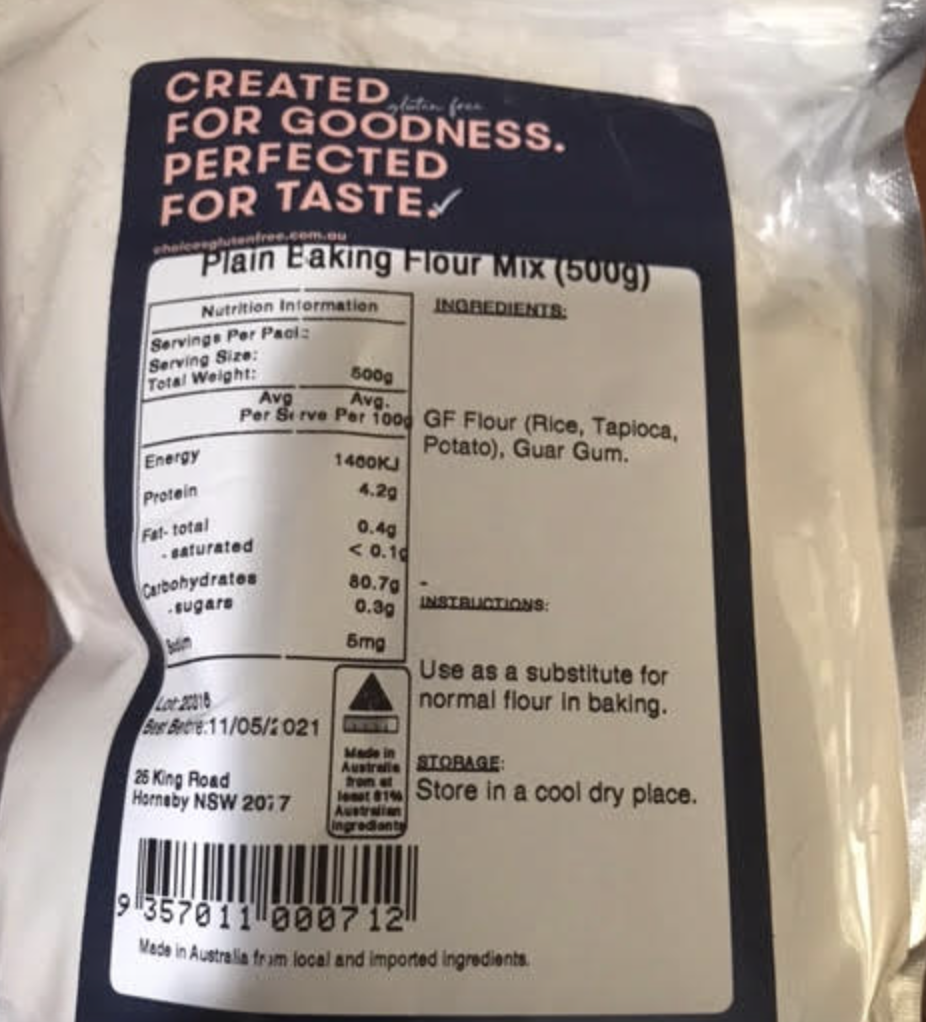
ANSWER:
In my experience most starches are modified (regardless of whether they are labelled as such). Starches can be cooked or roasted, treated with enzymes, or with various chemicals.
I would say 90% of the time I have questioned a manufacturer on a starch, it has turned out to be modified. Personally, I avoided starches.
Category:
Ultra Processed Ingredients
Leave a Reply
QUESTION:
What are your thoughts on Inulin? Many “healthy” recipes that attempt to reduce sweeteners seem to include inulin. My gut is telling me that it is an ultraprocessed ingredient and so no good but as I haven’t worked out yet how to sub it I thought I would ask. When I question it on groups that I am in the answer is that it is good because it also is a probiotic and also makes you feel full.
ANSWER:
My understanding of inulin is that it isn’t a whole food. It goes through an extraction process to be obtained. Usually chicory root, and it is soaked in a solvent. It then goes through a process to isolate the inulin, it is purified then spray dried. Obviously as we know, not all ingredients are the same. Some might be processed differently.
For sensitive individuals it can cause intestinal discomfort, diarrhea and anaphylactic reactions.
In terms of a replacement I would consider Lucuma powder – it is a dried fruit ground up. Another option is psyllium seed husks (from a fibre perspective). You may need to experiment though, I am unsure whether it can be replaced directly in recipes.
I personally avoid this ingredient and do not endorse products (ie for TWC) that contain it. Hope that helps!
Category:
Ultra Processed Ingredients
Leave a Reply
Most Popular
QUESTION:
You mentioned that tapioca starch is highly processed and that tapioca starch and flour are two different things. I’ve come across some products labelled as tapioca flour (starch)/tapioca starch (flour) – why are the terms interchangeable here? How can we distinguish which one is additive free at the shops if we choose not to shop at TWC. Thank you!
ANSWER:
Yes, there is a difference between tapioca starch, flour and modified tapioca starch.
Tapioca flour is made from the crushed pulp of the cassava root. Cassava flour uses the whole root which tapioca flour use only the starchy pulp. It is normally is made by grinding tapioca pearls down into a powder. That’s it!
Tapioca starch is usually made by washing the pulp, spinning and washing until the mix is mostly pure starch and water. The starch is then dried.
The problem is that many commercial operations use modified tapioca starch and don’t declare the difference on the ingredient label.
Modified tapioca starch is made by physically altering the starch using enzymes or chemicals to change its inherent properties, and is considered an additive.
Unfortunately, it is difficult to tell just from the label as you don’t know what the processing methods are. This is one of the reasons why I need to ask so many questions of manufacturers to get the truth for you.
Category:
Ultra Processed Ingredients
I have checked the processing of that one and I am happy with it. It is the only one that I have found so far that meets my tests. I am trying to encourage other manufacturers to use this one instead.
Thanks for the explanation, Frankie! I’m looking at tapioca flour from the TWC website (AFK approved label) the ingredients state “organic tapioca starch”?
Leave a Reply
QUESTION:
I would like some information regarding Vegetable Oil. What ingredients make up Vegetable Oil and how is it processed. Why is Vegetable Oil not a good option.
When it comes to replacing Vegetable Oil what is a good suggestion. This is more for deep frying chips. I make our own chips and fry in a deep fryer but not sure what oil to use.
ANSWER:
Vegetable oils are usually made from the following:
– canola
– sunflower
– cotton seed
– soybean
– corn
Processing:
Usually the process involves squeezing oil from the seeds at a high pressure. What is left behind is the oil and the protein. The problem is that often this high pressure comes with unnaturally high heat. This oxidises the oil. The protein (or seed cakes) are often washed in a chemical solvent (can be petroleum based) to extract the extra oil from the protein.
Next is a refining process, which is often a sodium hydroxide. Whilst it is soaking in this, it is spun in a vat to separate out the impurities. The oil can still be cloudy due to the natural waxes. Through a process of hydrogenation (trans fats are created) the wax solidifies so that it can be removed.
The oil is washed and filtered before its bleached. This is a lot to go through! It results in a harsh, rancid smell (shouldn’t this be a warning?!) and then is deodorised by using stem injected heating process. These vegetable oils are then stored into plastic containers (very rare to find glass ones) which is another issue again.
An enormous amount of processing and far removed form its original state!!
Why avoid vegetable oils?
Given all of this processing, this results in a product that is highly inflammatory and can lead to increased cancer risk.
The other issue is that when you see vegetable oils listed in an ingredients list, it often contains undeclared antioxidant additives such as B320 – BHA (Butylated hydroxyanisole) and 321 – BHT (Butylated hydroxytoluene).
These are nasty antioxidants that can cause the following symptoms:
– Aggressive behaviour
– Allergic and hypersensitive reactions
– Asthma
– Behavioural problems
– Learning difficulties
– Skin issues (eczema, dermatitis, hives, rashes etc).
It is difficult to know whether vegetable oils contain these oils without speaking to the manufacturers. It is easier to avoid products that contain vegetable oil.
I personally don’t use vegetable oils and don’t deep fry very often at all, and oven bake our chips / wedges instead. Alternatives I would look into for deep frying would be – olive oil, lard, tallow.
Category:
Ultra Processed Ingredients
Leave a Reply
Question:
Why is vanilla extract not good?
Answer:
The short answer is that there are MANY different types of vanilla. There is pure vanilla, vanilla extract, vanillin, vanilla flavouring. The average consumer often doesn’t realise the slight differences on the label. They just see vanilla.
Vanilla is a very expensive ingredient and can often be in short supply. It is susceptible to fraud and adulteration.
Extract is usually produced by soaking the vanilla pod in alcohol. The problem is that some manufacturers will soak them in a solution which can have an artificial vanillin (lab created vanilla) base or other solvents or enzymes.
There is a lot of variations of vanilla extract on the market, some popular supermarket brands come with preservatives.
I only will buy a product if it states vanilla powder (and this is still susceptible to fraud) as it is hard to ascertain from the ingredient label how the vanilla has been processed. The manufacturers that have gone to the effort of securing vanilla bean powder understand the difference in the quality of the ingredients (generally speaking).
Category:
Ultra Processed Ingredients
Is there a vanilla powder or paste that you use Frankie, or is it better I wait until the ‘vanilla’ product choice gets enough votes to be a product review? Not trying to pre-empt anything. Thanks!
-
I only use vanilla powder or whole vanilla beans. It’s definitely worthy of a product review!
Leave a Reply
Question:
What is xantham gum and if a recipe asks for it what would you use as a substitute?
Answer:
Xanthan Gum derives its name from the type of bacteria used in fermentation processes – Xanthomonas campestris. This is the same bacteria that causes black rot that you see on broccoli, cauliflower, other leafy veggies.
It can be produced from simple sugars using a fermentation process. When a sugar is fermented by this type of bacteria it creates a broth or a gooey substance, which is made solid by adding an alcohol. It is then dried and turned into a powder. These sugars can come from many sources – wheat, corn, soy, dairy.
It is used as an additive for its thickening and stabilisation properties. You will often find it in many gluten free foods as it gives the food a stickiness that you would normally achieve with gluten.
This ingredient is also used in many industrial processes, for example, the oil industry to thicken drilling mud! You will also find it in cleaners (tile, grout, toilet bowl), paints, adhesives.
It is lab made ingredient.
Your body is unable to digest it.
It does not provide any calories or nutrients.
It is in the product for the manufacturers benefit not yours.
Real whole food alternatives to xanthan gum include:
– psyllium husk
– chia seeds and water
– ground flaxseeds and water
Category:
Ultra Processed Ingredients
Frankie, do you mind if I ask what wholefood sources do you use for thickening?
-
I don’t thicken many sauces…if I am making a gravy I will use a little bit of organic plain flour
Raeline, one of the Thermomix recipes I use regularly says to substitute xanthum gum for cornflour for a Paleo option. I have been using it because it uses less and is easier to add than creating a cornflour mix with water. I never really thought about it as I’ve seen in lots of ‘healthy’ Thermomix recipes. Thanks for posting the question. Frankie, is cornflour better or not really?
-
It depends on how it has been processed (they aren’t all created equal). Personally I haven’t used corn flour in over a decade. I opt for whole food sources that can still provide thickening capabilities but haven’t been through as much processing.
Thanks Frankie very interesting. The latest Thermomix low carb cookbook had recipes that include xanthum gum and I stupidly just purchased it without researching….
-
You are welcome. The world of our food is VERY interesting indeed!
Leave a Reply
QUESTION:
What is Maltodextrin – good or bad?
ANSWER:
Maltodextrin is a food additive a highly processed sweetener. It is a spray dried powder. It is usually derived from any starch (potato, corn, wheat) by enzymes. You may also see it labelled as modified corn starch, modified tapioca starch, modified rice starch, modified wheat starch.
It is made by cooking the starches first, then adding acids or enzymes to break it down further. A white powder is the end product that is water soluble and has neutral taste.
Manufacturers use it to improve the mouthfeel of food and drinks. It is also used to thicken products such as infants formula. You will often find it as a filler in sugar substitutes. Interestingly, it is also used as a horticultural insecticide.
I recommend avoiding this ingredient.
Category:
Ultra Processed Ingredients
Leave a Reply
Additives
QU: Thoughts on Barley malt extract?
Answer:
Barley malt extract – is an additive that frequently includes MSG (free glutamic acid) – it is addictive and makes you want to eat lots of them!!
Many manufacturers like to use barley malt extract in their products as they are not required to label the product as containing MSG. MSG is an excitotoxin that shrivels and kills brain cells. An excitotoxin is a chemical that causes a brain cell to become overexcited and fire uncontrollably, leading to cell death. Common adverse reactions resulting from MSG can also include:
- asthma
- hyperactivity
- depression
- mood changes
- sleeplessness
- nausea
- migraines
In short, I always prefer to avoid barley malt extract.
.
Leave a Reply
Generally I try to avoid starches. Best to look for flours rather than starches, they are less processed.
Category:
Ultra Processed Ingredients
Leave a Reply
QUESTION:
Extracts. Would you recommend avoiding spice, fruit and vegetable extracts.
ANSWER:
Generally, yes I do avoid spice, fruit and vegetable extracts. They are ultra processed ingredients and very difficult to know each and every ingredient or process used in these ingredients. Manufacturers aren’t always forthcoming with all the details on these ingredients either.
Is there any evidence linking fruit extract to any health concerns?
-
This is a tricky one. To find evidence, you would need to research how the extract had been made (extracted) using what substance and then searching for evidence based on that substance. It is unlikely you would find a lot of evidence searching just for fruit extracts on their own.
Leave a Reply
QUESTION:
I’m wondering whether flours or starches need to be labelled as modified if they are? Specifically I purchased flour with the ingredients GF flour (Rice, tapioca, potato), guar gum. However I purchase bread from the same company with similar ingredients and it says modified tapioca starch.
ANSWER:
In my experience most starches are modified (regardless of whether they are labelled as such). Starches can be cooked or roasted, treated with enzymes, or with various chemicals.
I would say 90% of the time I have questioned a manufacturer on a starch, it has turned out to be modified. Personally, I avoided starches.
Category:
Ultra Processed Ingredients
Leave a Reply
QUESTION:
What are your thoughts on Inulin? Many “healthy” recipes that attempt to reduce sweeteners seem to include inulin. My gut is telling me that it is an ultraprocessed ingredient and so no good but as I haven’t worked out yet how to sub it I thought I would ask. When I question it on groups that I am in the answer is that it is good because it also is a probiotic and also makes you feel full.
ANSWER:
My understanding of inulin is that it isn’t a whole food. It goes through an extraction process to be obtained. Usually chicory root, and it is soaked in a solvent. It then goes through a process to isolate the inulin, it is purified then spray dried. Obviously as we know, not all ingredients are the same. Some might be processed differently.
For sensitive individuals it can cause intestinal discomfort, diarrhea and anaphylactic reactions.
In terms of a replacement I would consider Lucuma powder – it is a dried fruit ground up. Another option is psyllium seed husks (from a fibre perspective). You may need to experiment though, I am unsure whether it can be replaced directly in recipes.
I personally avoid this ingredient and do not endorse products (ie for TWC) that contain it. Hope that helps!
Category:
Ultra Processed Ingredients
Leave a Reply
QUESTION:
What is Maltodextrin – good or bad?
ANSWER:
Maltodextrin is a food additive a highly processed sweetener. It is a spray dried powder. It is usually derived from any starch (potato, corn, wheat) by enzymes. You may also see it labelled as modified corn starch, modified tapioca starch, modified rice starch, modified wheat starch.
It is made by cooking the starches first, then adding acids or enzymes to break it down further. A white powder is the end product that is water soluble and has neutral taste.
Manufacturers use it to improve the mouthfeel of food and drinks. It is also used to thicken products such as infants formula. You will often find it as a filler in sugar substitutes. Interestingly, it is also used as a horticultural insecticide.
I recommend avoiding this ingredient.
Category:
Ultra Processed Ingredients
Leave a Reply
Question:
Why is vanilla extract not good?
Answer:
The short answer is that there are MANY different types of vanilla. There is pure vanilla, vanilla extract, vanillin, vanilla flavouring. The average consumer often doesn’t realise the slight differences on the label. They just see vanilla.
Vanilla is a very expensive ingredient and can often be in short supply. It is susceptible to fraud and adulteration.
Extract is usually produced by soaking the vanilla pod in alcohol. The problem is that some manufacturers will soak them in a solution which can have an artificial vanillin (lab created vanilla) base or other solvents or enzymes.
There is a lot of variations of vanilla extract on the market, some popular supermarket brands come with preservatives.
I only will buy a product if it states vanilla powder (and this is still susceptible to fraud) as it is hard to ascertain from the ingredient label how the vanilla has been processed. The manufacturers that have gone to the effort of securing vanilla bean powder understand the difference in the quality of the ingredients (generally speaking).
Category:
Ultra Processed Ingredients
Is there a vanilla powder or paste that you use Frankie, or is it better I wait until the ‘vanilla’ product choice gets enough votes to be a product review? Not trying to pre-empt anything. Thanks!
-
I only use vanilla powder or whole vanilla beans. It’s definitely worthy of a product review!
Leave a Reply
Question:
What is xantham gum and if a recipe asks for it what would you use as a substitute?
Answer:
Xanthan Gum derives its name from the type of bacteria used in fermentation processes – Xanthomonas campestris. This is the same bacteria that causes black rot that you see on broccoli, cauliflower, other leafy veggies.
It can be produced from simple sugars using a fermentation process. When a sugar is fermented by this type of bacteria it creates a broth or a gooey substance, which is made solid by adding an alcohol. It is then dried and turned into a powder. These sugars can come from many sources – wheat, corn, soy, dairy.
It is used as an additive for its thickening and stabilisation properties. You will often find it in many gluten free foods as it gives the food a stickiness that you would normally achieve with gluten.
This ingredient is also used in many industrial processes, for example, the oil industry to thicken drilling mud! You will also find it in cleaners (tile, grout, toilet bowl), paints, adhesives.
It is lab made ingredient.
Your body is unable to digest it.
It does not provide any calories or nutrients.
It is in the product for the manufacturers benefit not yours.
Real whole food alternatives to xanthan gum include:
– psyllium husk
– chia seeds and water
– ground flaxseeds and water
Category:
Ultra Processed Ingredients
Frankie, do you mind if I ask what wholefood sources do you use for thickening?
-
I don’t thicken many sauces…if I am making a gravy I will use a little bit of organic plain flour
Raeline, one of the Thermomix recipes I use regularly says to substitute xanthum gum for cornflour for a Paleo option. I have been using it because it uses less and is easier to add than creating a cornflour mix with water. I never really thought about it as I’ve seen in lots of ‘healthy’ Thermomix recipes. Thanks for posting the question. Frankie, is cornflour better or not really?
-
It depends on how it has been processed (they aren’t all created equal). Personally I haven’t used corn flour in over a decade. I opt for whole food sources that can still provide thickening capabilities but haven’t been through as much processing.
Thanks Frankie very interesting. The latest Thermomix low carb cookbook had recipes that include xanthum gum and I stupidly just purchased it without researching….
-
You are welcome. The world of our food is VERY interesting indeed!
Leave a Reply
QUESTION:
I would like some information regarding Vegetable Oil. What ingredients make up Vegetable Oil and how is it processed. Why is Vegetable Oil not a good option.
When it comes to replacing Vegetable Oil what is a good suggestion. This is more for deep frying chips. I make our own chips and fry in a deep fryer but not sure what oil to use.
ANSWER:
Vegetable oils are usually made from the following:
– canola
– sunflower
– cotton seed
– soybean
– corn
Processing:
Usually the process involves squeezing oil from the seeds at a high pressure. What is left behind is the oil and the protein. The problem is that often this high pressure comes with unnaturally high heat. This oxidises the oil. The protein (or seed cakes) are often washed in a chemical solvent (can be petroleum based) to extract the extra oil from the protein.
Next is a refining process, which is often a sodium hydroxide. Whilst it is soaking in this, it is spun in a vat to separate out the impurities. The oil can still be cloudy due to the natural waxes. Through a process of hydrogenation (trans fats are created) the wax solidifies so that it can be removed.
The oil is washed and filtered before its bleached. This is a lot to go through! It results in a harsh, rancid smell (shouldn’t this be a warning?!) and then is deodorised by using stem injected heating process. These vegetable oils are then stored into plastic containers (very rare to find glass ones) which is another issue again.
An enormous amount of processing and far removed form its original state!!
Why avoid vegetable oils?
Given all of this processing, this results in a product that is highly inflammatory and can lead to increased cancer risk.
The other issue is that when you see vegetable oils listed in an ingredients list, it often contains undeclared antioxidant additives such as B320 – BHA (Butylated hydroxyanisole) and 321 – BHT (Butylated hydroxytoluene).
These are nasty antioxidants that can cause the following symptoms:
– Aggressive behaviour
– Allergic and hypersensitive reactions
– Asthma
– Behavioural problems
– Learning difficulties
– Skin issues (eczema, dermatitis, hives, rashes etc).
It is difficult to know whether vegetable oils contain these oils without speaking to the manufacturers. It is easier to avoid products that contain vegetable oil.
I personally don’t use vegetable oils and don’t deep fry very often at all, and oven bake our chips / wedges instead. Alternatives I would look into for deep frying would be – olive oil, lard, tallow.
Category:
Ultra Processed Ingredients
Leave a Reply
QUESTION:
You mentioned that tapioca starch is highly processed and that tapioca starch and flour are two different things. I’ve come across some products labelled as tapioca flour (starch)/tapioca starch (flour) – why are the terms interchangeable here? How can we distinguish which one is additive free at the shops if we choose not to shop at TWC. Thank you!
ANSWER:
Yes, there is a difference between tapioca starch, flour and modified tapioca starch.
Tapioca flour is made from the crushed pulp of the cassava root. Cassava flour uses the whole root which tapioca flour use only the starchy pulp. It is normally is made by grinding tapioca pearls down into a powder. That’s it!
Tapioca starch is usually made by washing the pulp, spinning and washing until the mix is mostly pure starch and water. The starch is then dried.
The problem is that many commercial operations use modified tapioca starch and don’t declare the difference on the ingredient label.
Modified tapioca starch is made by physically altering the starch using enzymes or chemicals to change its inherent properties, and is considered an additive.
Unfortunately, it is difficult to tell just from the label as you don’t know what the processing methods are. This is one of the reasons why I need to ask so many questions of manufacturers to get the truth for you.
Category:
Ultra Processed Ingredients
I have checked the processing of that one and I am happy with it. It is the only one that I have found so far that meets my tests. I am trying to encourage other manufacturers to use this one instead.
Thanks for the explanation, Frankie! I’m looking at tapioca flour from the TWC website (AFK approved label) the ingredients state “organic tapioca starch”?
Leave a Reply
Non Food Related
QU: Thoughts on Barley malt extract?
Answer:
Barley malt extract – is an additive that frequently includes MSG (free glutamic acid) – it is addictive and makes you want to eat lots of them!!
Many manufacturers like to use barley malt extract in their products as they are not required to label the product as containing MSG. MSG is an excitotoxin that shrivels and kills brain cells. An excitotoxin is a chemical that causes a brain cell to become overexcited and fire uncontrollably, leading to cell death. Common adverse reactions resulting from MSG can also include:
- asthma
- hyperactivity
- depression
- mood changes
- sleeplessness
- nausea
- migraines
In short, I always prefer to avoid barley malt extract.
.
Leave a Reply
Generally I try to avoid starches. Best to look for flours rather than starches, they are less processed.
Category:
Ultra Processed Ingredients
Leave a Reply
QUESTION:
Extracts. Would you recommend avoiding spice, fruit and vegetable extracts.
ANSWER:
Generally, yes I do avoid spice, fruit and vegetable extracts. They are ultra processed ingredients and very difficult to know each and every ingredient or process used in these ingredients. Manufacturers aren’t always forthcoming with all the details on these ingredients either.
Is there any evidence linking fruit extract to any health concerns?
-
This is a tricky one. To find evidence, you would need to research how the extract had been made (extracted) using what substance and then searching for evidence based on that substance. It is unlikely you would find a lot of evidence searching just for fruit extracts on their own.
Leave a Reply
QUESTION:
I’m wondering whether flours or starches need to be labelled as modified if they are? Specifically I purchased flour with the ingredients GF flour (Rice, tapioca, potato), guar gum. However I purchase bread from the same company with similar ingredients and it says modified tapioca starch.
ANSWER:
In my experience most starches are modified (regardless of whether they are labelled as such). Starches can be cooked or roasted, treated with enzymes, or with various chemicals.
I would say 90% of the time I have questioned a manufacturer on a starch, it has turned out to be modified. Personally, I avoided starches.
Category:
Ultra Processed Ingredients
Leave a Reply
QUESTION:
What are your thoughts on Inulin? Many “healthy” recipes that attempt to reduce sweeteners seem to include inulin. My gut is telling me that it is an ultraprocessed ingredient and so no good but as I haven’t worked out yet how to sub it I thought I would ask. When I question it on groups that I am in the answer is that it is good because it also is a probiotic and also makes you feel full.
ANSWER:
My understanding of inulin is that it isn’t a whole food. It goes through an extraction process to be obtained. Usually chicory root, and it is soaked in a solvent. It then goes through a process to isolate the inulin, it is purified then spray dried. Obviously as we know, not all ingredients are the same. Some might be processed differently.
For sensitive individuals it can cause intestinal discomfort, diarrhea and anaphylactic reactions.
In terms of a replacement I would consider Lucuma powder – it is a dried fruit ground up. Another option is psyllium seed husks (from a fibre perspective). You may need to experiment though, I am unsure whether it can be replaced directly in recipes.
I personally avoid this ingredient and do not endorse products (ie for TWC) that contain it. Hope that helps!
Category:
Ultra Processed Ingredients
Leave a Reply
QUESTION:
What is Maltodextrin – good or bad?
ANSWER:
Maltodextrin is a food additive a highly processed sweetener. It is a spray dried powder. It is usually derived from any starch (potato, corn, wheat) by enzymes. You may also see it labelled as modified corn starch, modified tapioca starch, modified rice starch, modified wheat starch.
It is made by cooking the starches first, then adding acids or enzymes to break it down further. A white powder is the end product that is water soluble and has neutral taste.
Manufacturers use it to improve the mouthfeel of food and drinks. It is also used to thicken products such as infants formula. You will often find it as a filler in sugar substitutes. Interestingly, it is also used as a horticultural insecticide.
I recommend avoiding this ingredient.
Category:
Ultra Processed Ingredients
Leave a Reply
Question:
Why is vanilla extract not good?
Answer:
The short answer is that there are MANY different types of vanilla. There is pure vanilla, vanilla extract, vanillin, vanilla flavouring. The average consumer often doesn’t realise the slight differences on the label. They just see vanilla.
Vanilla is a very expensive ingredient and can often be in short supply. It is susceptible to fraud and adulteration.
Extract is usually produced by soaking the vanilla pod in alcohol. The problem is that some manufacturers will soak them in a solution which can have an artificial vanillin (lab created vanilla) base or other solvents or enzymes.
There is a lot of variations of vanilla extract on the market, some popular supermarket brands come with preservatives.
I only will buy a product if it states vanilla powder (and this is still susceptible to fraud) as it is hard to ascertain from the ingredient label how the vanilla has been processed. The manufacturers that have gone to the effort of securing vanilla bean powder understand the difference in the quality of the ingredients (generally speaking).
Category:
Ultra Processed Ingredients
Is there a vanilla powder or paste that you use Frankie, or is it better I wait until the ‘vanilla’ product choice gets enough votes to be a product review? Not trying to pre-empt anything. Thanks!
-
I only use vanilla powder or whole vanilla beans. It’s definitely worthy of a product review!
Leave a Reply
Question:
What is xantham gum and if a recipe asks for it what would you use as a substitute?
Answer:
Xanthan Gum derives its name from the type of bacteria used in fermentation processes – Xanthomonas campestris. This is the same bacteria that causes black rot that you see on broccoli, cauliflower, other leafy veggies.
It can be produced from simple sugars using a fermentation process. When a sugar is fermented by this type of bacteria it creates a broth or a gooey substance, which is made solid by adding an alcohol. It is then dried and turned into a powder. These sugars can come from many sources – wheat, corn, soy, dairy.
It is used as an additive for its thickening and stabilisation properties. You will often find it in many gluten free foods as it gives the food a stickiness that you would normally achieve with gluten.
This ingredient is also used in many industrial processes, for example, the oil industry to thicken drilling mud! You will also find it in cleaners (tile, grout, toilet bowl), paints, adhesives.
It is lab made ingredient.
Your body is unable to digest it.
It does not provide any calories or nutrients.
It is in the product for the manufacturers benefit not yours.
Real whole food alternatives to xanthan gum include:
– psyllium husk
– chia seeds and water
– ground flaxseeds and water
Category:
Ultra Processed Ingredients
Frankie, do you mind if I ask what wholefood sources do you use for thickening?
-
I don’t thicken many sauces…if I am making a gravy I will use a little bit of organic plain flour
Raeline, one of the Thermomix recipes I use regularly says to substitute xanthum gum for cornflour for a Paleo option. I have been using it because it uses less and is easier to add than creating a cornflour mix with water. I never really thought about it as I’ve seen in lots of ‘healthy’ Thermomix recipes. Thanks for posting the question. Frankie, is cornflour better or not really?
-
It depends on how it has been processed (they aren’t all created equal). Personally I haven’t used corn flour in over a decade. I opt for whole food sources that can still provide thickening capabilities but haven’t been through as much processing.
Thanks Frankie very interesting. The latest Thermomix low carb cookbook had recipes that include xanthum gum and I stupidly just purchased it without researching….
-
You are welcome. The world of our food is VERY interesting indeed!
Leave a Reply
QUESTION:
I would like some information regarding Vegetable Oil. What ingredients make up Vegetable Oil and how is it processed. Why is Vegetable Oil not a good option.
When it comes to replacing Vegetable Oil what is a good suggestion. This is more for deep frying chips. I make our own chips and fry in a deep fryer but not sure what oil to use.
ANSWER:
Vegetable oils are usually made from the following:
– canola
– sunflower
– cotton seed
– soybean
– corn
Processing:
Usually the process involves squeezing oil from the seeds at a high pressure. What is left behind is the oil and the protein. The problem is that often this high pressure comes with unnaturally high heat. This oxidises the oil. The protein (or seed cakes) are often washed in a chemical solvent (can be petroleum based) to extract the extra oil from the protein.
Next is a refining process, which is often a sodium hydroxide. Whilst it is soaking in this, it is spun in a vat to separate out the impurities. The oil can still be cloudy due to the natural waxes. Through a process of hydrogenation (trans fats are created) the wax solidifies so that it can be removed.
The oil is washed and filtered before its bleached. This is a lot to go through! It results in a harsh, rancid smell (shouldn’t this be a warning?!) and then is deodorised by using stem injected heating process. These vegetable oils are then stored into plastic containers (very rare to find glass ones) which is another issue again.
An enormous amount of processing and far removed form its original state!!
Why avoid vegetable oils?
Given all of this processing, this results in a product that is highly inflammatory and can lead to increased cancer risk.
The other issue is that when you see vegetable oils listed in an ingredients list, it often contains undeclared antioxidant additives such as B320 – BHA (Butylated hydroxyanisole) and 321 – BHT (Butylated hydroxytoluene).
These are nasty antioxidants that can cause the following symptoms:
– Aggressive behaviour
– Allergic and hypersensitive reactions
– Asthma
– Behavioural problems
– Learning difficulties
– Skin issues (eczema, dermatitis, hives, rashes etc).
It is difficult to know whether vegetable oils contain these oils without speaking to the manufacturers. It is easier to avoid products that contain vegetable oil.
I personally don’t use vegetable oils and don’t deep fry very often at all, and oven bake our chips / wedges instead. Alternatives I would look into for deep frying would be – olive oil, lard, tallow.
Category:
Ultra Processed Ingredients
Leave a Reply
QUESTION:
You mentioned that tapioca starch is highly processed and that tapioca starch and flour are two different things. I’ve come across some products labelled as tapioca flour (starch)/tapioca starch (flour) – why are the terms interchangeable here? How can we distinguish which one is additive free at the shops if we choose not to shop at TWC. Thank you!
ANSWER:
Yes, there is a difference between tapioca starch, flour and modified tapioca starch.
Tapioca flour is made from the crushed pulp of the cassava root. Cassava flour uses the whole root which tapioca flour use only the starchy pulp. It is normally is made by grinding tapioca pearls down into a powder. That’s it!
Tapioca starch is usually made by washing the pulp, spinning and washing until the mix is mostly pure starch and water. The starch is then dried.
The problem is that many commercial operations use modified tapioca starch and don’t declare the difference on the ingredient label.
Modified tapioca starch is made by physically altering the starch using enzymes or chemicals to change its inherent properties, and is considered an additive.
Unfortunately, it is difficult to tell just from the label as you don’t know what the processing methods are. This is one of the reasons why I need to ask so many questions of manufacturers to get the truth for you.
Category:
Ultra Processed Ingredients
I have checked the processing of that one and I am happy with it. It is the only one that I have found so far that meets my tests. I am trying to encourage other manufacturers to use this one instead.
Thanks for the explanation, Frankie! I’m looking at tapioca flour from the TWC website (AFK approved label) the ingredients state “organic tapioca starch”?
Leave a Reply
Product Questions
QU: Thoughts on Barley malt extract?
Answer:
Barley malt extract – is an additive that frequently includes MSG (free glutamic acid) – it is addictive and makes you want to eat lots of them!!
Many manufacturers like to use barley malt extract in their products as they are not required to label the product as containing MSG. MSG is an excitotoxin that shrivels and kills brain cells. An excitotoxin is a chemical that causes a brain cell to become overexcited and fire uncontrollably, leading to cell death. Common adverse reactions resulting from MSG can also include:
- asthma
- hyperactivity
- depression
- mood changes
- sleeplessness
- nausea
- migraines
In short, I always prefer to avoid barley malt extract.
.
Leave a Reply
Generally I try to avoid starches. Best to look for flours rather than starches, they are less processed.
Category:
Ultra Processed Ingredients
Leave a Reply
QUESTION:
Extracts. Would you recommend avoiding spice, fruit and vegetable extracts.
ANSWER:
Generally, yes I do avoid spice, fruit and vegetable extracts. They are ultra processed ingredients and very difficult to know each and every ingredient or process used in these ingredients. Manufacturers aren’t always forthcoming with all the details on these ingredients either.
Is there any evidence linking fruit extract to any health concerns?
-
This is a tricky one. To find evidence, you would need to research how the extract had been made (extracted) using what substance and then searching for evidence based on that substance. It is unlikely you would find a lot of evidence searching just for fruit extracts on their own.
Leave a Reply
QUESTION:
I’m wondering whether flours or starches need to be labelled as modified if they are? Specifically I purchased flour with the ingredients GF flour (Rice, tapioca, potato), guar gum. However I purchase bread from the same company with similar ingredients and it says modified tapioca starch.
ANSWER:
In my experience most starches are modified (regardless of whether they are labelled as such). Starches can be cooked or roasted, treated with enzymes, or with various chemicals.
I would say 90% of the time I have questioned a manufacturer on a starch, it has turned out to be modified. Personally, I avoided starches.
Category:
Ultra Processed Ingredients
Leave a Reply
QUESTION:
What are your thoughts on Inulin? Many “healthy” recipes that attempt to reduce sweeteners seem to include inulin. My gut is telling me that it is an ultraprocessed ingredient and so no good but as I haven’t worked out yet how to sub it I thought I would ask. When I question it on groups that I am in the answer is that it is good because it also is a probiotic and also makes you feel full.
ANSWER:
My understanding of inulin is that it isn’t a whole food. It goes through an extraction process to be obtained. Usually chicory root, and it is soaked in a solvent. It then goes through a process to isolate the inulin, it is purified then spray dried. Obviously as we know, not all ingredients are the same. Some might be processed differently.
For sensitive individuals it can cause intestinal discomfort, diarrhea and anaphylactic reactions.
In terms of a replacement I would consider Lucuma powder – it is a dried fruit ground up. Another option is psyllium seed husks (from a fibre perspective). You may need to experiment though, I am unsure whether it can be replaced directly in recipes.
I personally avoid this ingredient and do not endorse products (ie for TWC) that contain it. Hope that helps!
Category:
Ultra Processed Ingredients
Leave a Reply
QUESTION:
What is Maltodextrin – good or bad?
ANSWER:
Maltodextrin is a food additive a highly processed sweetener. It is a spray dried powder. It is usually derived from any starch (potato, corn, wheat) by enzymes. You may also see it labelled as modified corn starch, modified tapioca starch, modified rice starch, modified wheat starch.
It is made by cooking the starches first, then adding acids or enzymes to break it down further. A white powder is the end product that is water soluble and has neutral taste.
Manufacturers use it to improve the mouthfeel of food and drinks. It is also used to thicken products such as infants formula. You will often find it as a filler in sugar substitutes. Interestingly, it is also used as a horticultural insecticide.
I recommend avoiding this ingredient.
Category:
Ultra Processed Ingredients
Leave a Reply
Question:
Why is vanilla extract not good?
Answer:
The short answer is that there are MANY different types of vanilla. There is pure vanilla, vanilla extract, vanillin, vanilla flavouring. The average consumer often doesn’t realise the slight differences on the label. They just see vanilla.
Vanilla is a very expensive ingredient and can often be in short supply. It is susceptible to fraud and adulteration.
Extract is usually produced by soaking the vanilla pod in alcohol. The problem is that some manufacturers will soak them in a solution which can have an artificial vanillin (lab created vanilla) base or other solvents or enzymes.
There is a lot of variations of vanilla extract on the market, some popular supermarket brands come with preservatives.
I only will buy a product if it states vanilla powder (and this is still susceptible to fraud) as it is hard to ascertain from the ingredient label how the vanilla has been processed. The manufacturers that have gone to the effort of securing vanilla bean powder understand the difference in the quality of the ingredients (generally speaking).
Category:
Ultra Processed Ingredients
Is there a vanilla powder or paste that you use Frankie, or is it better I wait until the ‘vanilla’ product choice gets enough votes to be a product review? Not trying to pre-empt anything. Thanks!
-
I only use vanilla powder or whole vanilla beans. It’s definitely worthy of a product review!
Leave a Reply
Question:
What is xantham gum and if a recipe asks for it what would you use as a substitute?
Answer:
Xanthan Gum derives its name from the type of bacteria used in fermentation processes – Xanthomonas campestris. This is the same bacteria that causes black rot that you see on broccoli, cauliflower, other leafy veggies.
It can be produced from simple sugars using a fermentation process. When a sugar is fermented by this type of bacteria it creates a broth or a gooey substance, which is made solid by adding an alcohol. It is then dried and turned into a powder. These sugars can come from many sources – wheat, corn, soy, dairy.
It is used as an additive for its thickening and stabilisation properties. You will often find it in many gluten free foods as it gives the food a stickiness that you would normally achieve with gluten.
This ingredient is also used in many industrial processes, for example, the oil industry to thicken drilling mud! You will also find it in cleaners (tile, grout, toilet bowl), paints, adhesives.
It is lab made ingredient.
Your body is unable to digest it.
It does not provide any calories or nutrients.
It is in the product for the manufacturers benefit not yours.
Real whole food alternatives to xanthan gum include:
– psyllium husk
– chia seeds and water
– ground flaxseeds and water
Category:
Ultra Processed Ingredients
Frankie, do you mind if I ask what wholefood sources do you use for thickening?
-
I don’t thicken many sauces…if I am making a gravy I will use a little bit of organic plain flour
Raeline, one of the Thermomix recipes I use regularly says to substitute xanthum gum for cornflour for a Paleo option. I have been using it because it uses less and is easier to add than creating a cornflour mix with water. I never really thought about it as I’ve seen in lots of ‘healthy’ Thermomix recipes. Thanks for posting the question. Frankie, is cornflour better or not really?
-
It depends on how it has been processed (they aren’t all created equal). Personally I haven’t used corn flour in over a decade. I opt for whole food sources that can still provide thickening capabilities but haven’t been through as much processing.
Thanks Frankie very interesting. The latest Thermomix low carb cookbook had recipes that include xanthum gum and I stupidly just purchased it without researching….
-
You are welcome. The world of our food is VERY interesting indeed!
Leave a Reply
QUESTION:
I would like some information regarding Vegetable Oil. What ingredients make up Vegetable Oil and how is it processed. Why is Vegetable Oil not a good option.
When it comes to replacing Vegetable Oil what is a good suggestion. This is more for deep frying chips. I make our own chips and fry in a deep fryer but not sure what oil to use.
ANSWER:
Vegetable oils are usually made from the following:
– canola
– sunflower
– cotton seed
– soybean
– corn
Processing:
Usually the process involves squeezing oil from the seeds at a high pressure. What is left behind is the oil and the protein. The problem is that often this high pressure comes with unnaturally high heat. This oxidises the oil. The protein (or seed cakes) are often washed in a chemical solvent (can be petroleum based) to extract the extra oil from the protein.
Next is a refining process, which is often a sodium hydroxide. Whilst it is soaking in this, it is spun in a vat to separate out the impurities. The oil can still be cloudy due to the natural waxes. Through a process of hydrogenation (trans fats are created) the wax solidifies so that it can be removed.
The oil is washed and filtered before its bleached. This is a lot to go through! It results in a harsh, rancid smell (shouldn’t this be a warning?!) and then is deodorised by using stem injected heating process. These vegetable oils are then stored into plastic containers (very rare to find glass ones) which is another issue again.
An enormous amount of processing and far removed form its original state!!
Why avoid vegetable oils?
Given all of this processing, this results in a product that is highly inflammatory and can lead to increased cancer risk.
The other issue is that when you see vegetable oils listed in an ingredients list, it often contains undeclared antioxidant additives such as B320 – BHA (Butylated hydroxyanisole) and 321 – BHT (Butylated hydroxytoluene).
These are nasty antioxidants that can cause the following symptoms:
– Aggressive behaviour
– Allergic and hypersensitive reactions
– Asthma
– Behavioural problems
– Learning difficulties
– Skin issues (eczema, dermatitis, hives, rashes etc).
It is difficult to know whether vegetable oils contain these oils without speaking to the manufacturers. It is easier to avoid products that contain vegetable oil.
I personally don’t use vegetable oils and don’t deep fry very often at all, and oven bake our chips / wedges instead. Alternatives I would look into for deep frying would be – olive oil, lard, tallow.
Category:
Ultra Processed Ingredients
Leave a Reply
QUESTION:
You mentioned that tapioca starch is highly processed and that tapioca starch and flour are two different things. I’ve come across some products labelled as tapioca flour (starch)/tapioca starch (flour) – why are the terms interchangeable here? How can we distinguish which one is additive free at the shops if we choose not to shop at TWC. Thank you!
ANSWER:
Yes, there is a difference between tapioca starch, flour and modified tapioca starch.
Tapioca flour is made from the crushed pulp of the cassava root. Cassava flour uses the whole root which tapioca flour use only the starchy pulp. It is normally is made by grinding tapioca pearls down into a powder. That’s it!
Tapioca starch is usually made by washing the pulp, spinning and washing until the mix is mostly pure starch and water. The starch is then dried.
The problem is that many commercial operations use modified tapioca starch and don’t declare the difference on the ingredient label.
Modified tapioca starch is made by physically altering the starch using enzymes or chemicals to change its inherent properties, and is considered an additive.
Unfortunately, it is difficult to tell just from the label as you don’t know what the processing methods are. This is one of the reasons why I need to ask so many questions of manufacturers to get the truth for you.
Category:
Ultra Processed Ingredients
I have checked the processing of that one and I am happy with it. It is the only one that I have found so far that meets my tests. I am trying to encourage other manufacturers to use this one instead.
Thanks for the explanation, Frankie! I’m looking at tapioca flour from the TWC website (AFK approved label) the ingredients state “organic tapioca starch”?
Leave a Reply
Ultra Processed Ingredients
QU: Thoughts on Barley malt extract?
Answer:
Barley malt extract – is an additive that frequently includes MSG (free glutamic acid) – it is addictive and makes you want to eat lots of them!!
Many manufacturers like to use barley malt extract in their products as they are not required to label the product as containing MSG. MSG is an excitotoxin that shrivels and kills brain cells. An excitotoxin is a chemical that causes a brain cell to become overexcited and fire uncontrollably, leading to cell death. Common adverse reactions resulting from MSG can also include:
- asthma
- hyperactivity
- depression
- mood changes
- sleeplessness
- nausea
- migraines
In short, I always prefer to avoid barley malt extract.
.
Leave a Reply
Generally I try to avoid starches. Best to look for flours rather than starches, they are less processed.
Category:
Ultra Processed Ingredients
Leave a Reply
QUESTION:
Extracts. Would you recommend avoiding spice, fruit and vegetable extracts.
ANSWER:
Generally, yes I do avoid spice, fruit and vegetable extracts. They are ultra processed ingredients and very difficult to know each and every ingredient or process used in these ingredients. Manufacturers aren’t always forthcoming with all the details on these ingredients either.
Is there any evidence linking fruit extract to any health concerns?
-
This is a tricky one. To find evidence, you would need to research how the extract had been made (extracted) using what substance and then searching for evidence based on that substance. It is unlikely you would find a lot of evidence searching just for fruit extracts on their own.
Leave a Reply
QUESTION:
I’m wondering whether flours or starches need to be labelled as modified if they are? Specifically I purchased flour with the ingredients GF flour (Rice, tapioca, potato), guar gum. However I purchase bread from the same company with similar ingredients and it says modified tapioca starch.
ANSWER:
In my experience most starches are modified (regardless of whether they are labelled as such). Starches can be cooked or roasted, treated with enzymes, or with various chemicals.
I would say 90% of the time I have questioned a manufacturer on a starch, it has turned out to be modified. Personally, I avoided starches.
Category:
Ultra Processed Ingredients
Leave a Reply
QUESTION:
What are your thoughts on Inulin? Many “healthy” recipes that attempt to reduce sweeteners seem to include inulin. My gut is telling me that it is an ultraprocessed ingredient and so no good but as I haven’t worked out yet how to sub it I thought I would ask. When I question it on groups that I am in the answer is that it is good because it also is a probiotic and also makes you feel full.
ANSWER:
My understanding of inulin is that it isn’t a whole food. It goes through an extraction process to be obtained. Usually chicory root, and it is soaked in a solvent. It then goes through a process to isolate the inulin, it is purified then spray dried. Obviously as we know, not all ingredients are the same. Some might be processed differently.
For sensitive individuals it can cause intestinal discomfort, diarrhea and anaphylactic reactions.
In terms of a replacement I would consider Lucuma powder – it is a dried fruit ground up. Another option is psyllium seed husks (from a fibre perspective). You may need to experiment though, I am unsure whether it can be replaced directly in recipes.
I personally avoid this ingredient and do not endorse products (ie for TWC) that contain it. Hope that helps!
Category:
Ultra Processed Ingredients
Leave a Reply
QUESTION:
What is Maltodextrin – good or bad?
ANSWER:
Maltodextrin is a food additive a highly processed sweetener. It is a spray dried powder. It is usually derived from any starch (potato, corn, wheat) by enzymes. You may also see it labelled as modified corn starch, modified tapioca starch, modified rice starch, modified wheat starch.
It is made by cooking the starches first, then adding acids or enzymes to break it down further. A white powder is the end product that is water soluble and has neutral taste.
Manufacturers use it to improve the mouthfeel of food and drinks. It is also used to thicken products such as infants formula. You will often find it as a filler in sugar substitutes. Interestingly, it is also used as a horticultural insecticide.
I recommend avoiding this ingredient.
Category:
Ultra Processed Ingredients
Leave a Reply
Question:
Why is vanilla extract not good?
Answer:
The short answer is that there are MANY different types of vanilla. There is pure vanilla, vanilla extract, vanillin, vanilla flavouring. The average consumer often doesn’t realise the slight differences on the label. They just see vanilla.
Vanilla is a very expensive ingredient and can often be in short supply. It is susceptible to fraud and adulteration.
Extract is usually produced by soaking the vanilla pod in alcohol. The problem is that some manufacturers will soak them in a solution which can have an artificial vanillin (lab created vanilla) base or other solvents or enzymes.
There is a lot of variations of vanilla extract on the market, some popular supermarket brands come with preservatives.
I only will buy a product if it states vanilla powder (and this is still susceptible to fraud) as it is hard to ascertain from the ingredient label how the vanilla has been processed. The manufacturers that have gone to the effort of securing vanilla bean powder understand the difference in the quality of the ingredients (generally speaking).
Category:
Ultra Processed Ingredients
Is there a vanilla powder or paste that you use Frankie, or is it better I wait until the ‘vanilla’ product choice gets enough votes to be a product review? Not trying to pre-empt anything. Thanks!
-
I only use vanilla powder or whole vanilla beans. It’s definitely worthy of a product review!
Leave a Reply
Question:
What is xantham gum and if a recipe asks for it what would you use as a substitute?
Answer:
Xanthan Gum derives its name from the type of bacteria used in fermentation processes – Xanthomonas campestris. This is the same bacteria that causes black rot that you see on broccoli, cauliflower, other leafy veggies.
It can be produced from simple sugars using a fermentation process. When a sugar is fermented by this type of bacteria it creates a broth or a gooey substance, which is made solid by adding an alcohol. It is then dried and turned into a powder. These sugars can come from many sources – wheat, corn, soy, dairy.
It is used as an additive for its thickening and stabilisation properties. You will often find it in many gluten free foods as it gives the food a stickiness that you would normally achieve with gluten.
This ingredient is also used in many industrial processes, for example, the oil industry to thicken drilling mud! You will also find it in cleaners (tile, grout, toilet bowl), paints, adhesives.
It is lab made ingredient.
Your body is unable to digest it.
It does not provide any calories or nutrients.
It is in the product for the manufacturers benefit not yours.
Real whole food alternatives to xanthan gum include:
– psyllium husk
– chia seeds and water
– ground flaxseeds and water
Category:
Ultra Processed Ingredients
Frankie, do you mind if I ask what wholefood sources do you use for thickening?
-
I don’t thicken many sauces…if I am making a gravy I will use a little bit of organic plain flour
Raeline, one of the Thermomix recipes I use regularly says to substitute xanthum gum for cornflour for a Paleo option. I have been using it because it uses less and is easier to add than creating a cornflour mix with water. I never really thought about it as I’ve seen in lots of ‘healthy’ Thermomix recipes. Thanks for posting the question. Frankie, is cornflour better or not really?
-
It depends on how it has been processed (they aren’t all created equal). Personally I haven’t used corn flour in over a decade. I opt for whole food sources that can still provide thickening capabilities but haven’t been through as much processing.
Thanks Frankie very interesting. The latest Thermomix low carb cookbook had recipes that include xanthum gum and I stupidly just purchased it without researching….
-
You are welcome. The world of our food is VERY interesting indeed!
Leave a Reply
QUESTION:
I would like some information regarding Vegetable Oil. What ingredients make up Vegetable Oil and how is it processed. Why is Vegetable Oil not a good option.
When it comes to replacing Vegetable Oil what is a good suggestion. This is more for deep frying chips. I make our own chips and fry in a deep fryer but not sure what oil to use.
ANSWER:
Vegetable oils are usually made from the following:
– canola
– sunflower
– cotton seed
– soybean
– corn
Processing:
Usually the process involves squeezing oil from the seeds at a high pressure. What is left behind is the oil and the protein. The problem is that often this high pressure comes with unnaturally high heat. This oxidises the oil. The protein (or seed cakes) are often washed in a chemical solvent (can be petroleum based) to extract the extra oil from the protein.
Next is a refining process, which is often a sodium hydroxide. Whilst it is soaking in this, it is spun in a vat to separate out the impurities. The oil can still be cloudy due to the natural waxes. Through a process of hydrogenation (trans fats are created) the wax solidifies so that it can be removed.
The oil is washed and filtered before its bleached. This is a lot to go through! It results in a harsh, rancid smell (shouldn’t this be a warning?!) and then is deodorised by using stem injected heating process. These vegetable oils are then stored into plastic containers (very rare to find glass ones) which is another issue again.
An enormous amount of processing and far removed form its original state!!
Why avoid vegetable oils?
Given all of this processing, this results in a product that is highly inflammatory and can lead to increased cancer risk.
The other issue is that when you see vegetable oils listed in an ingredients list, it often contains undeclared antioxidant additives such as B320 – BHA (Butylated hydroxyanisole) and 321 – BHT (Butylated hydroxytoluene).
These are nasty antioxidants that can cause the following symptoms:
– Aggressive behaviour
– Allergic and hypersensitive reactions
– Asthma
– Behavioural problems
– Learning difficulties
– Skin issues (eczema, dermatitis, hives, rashes etc).
It is difficult to know whether vegetable oils contain these oils without speaking to the manufacturers. It is easier to avoid products that contain vegetable oil.
I personally don’t use vegetable oils and don’t deep fry very often at all, and oven bake our chips / wedges instead. Alternatives I would look into for deep frying would be – olive oil, lard, tallow.
Category:
Ultra Processed Ingredients
Leave a Reply
QUESTION:
You mentioned that tapioca starch is highly processed and that tapioca starch and flour are two different things. I’ve come across some products labelled as tapioca flour (starch)/tapioca starch (flour) – why are the terms interchangeable here? How can we distinguish which one is additive free at the shops if we choose not to shop at TWC. Thank you!
ANSWER:
Yes, there is a difference between tapioca starch, flour and modified tapioca starch.
Tapioca flour is made from the crushed pulp of the cassava root. Cassava flour uses the whole root which tapioca flour use only the starchy pulp. It is normally is made by grinding tapioca pearls down into a powder. That’s it!
Tapioca starch is usually made by washing the pulp, spinning and washing until the mix is mostly pure starch and water. The starch is then dried.
The problem is that many commercial operations use modified tapioca starch and don’t declare the difference on the ingredient label.
Modified tapioca starch is made by physically altering the starch using enzymes or chemicals to change its inherent properties, and is considered an additive.
Unfortunately, it is difficult to tell just from the label as you don’t know what the processing methods are. This is one of the reasons why I need to ask so many questions of manufacturers to get the truth for you.
Category:
Ultra Processed Ingredients
I have checked the processing of that one and I am happy with it. It is the only one that I have found so far that meets my tests. I am trying to encourage other manufacturers to use this one instead.
Thanks for the explanation, Frankie! I’m looking at tapioca flour from the TWC website (AFK approved label) the ingredients state “organic tapioca starch”?
Is there any evidence linking fruit extract to any health concerns?